Durak from the first deal to the last trump
Durak takes a minute to explain and years to stop losing at. Here is the podkidnoy version step by step, from the first deal to the endgame after the deck runs dry.
The deck, the trump card, the deal
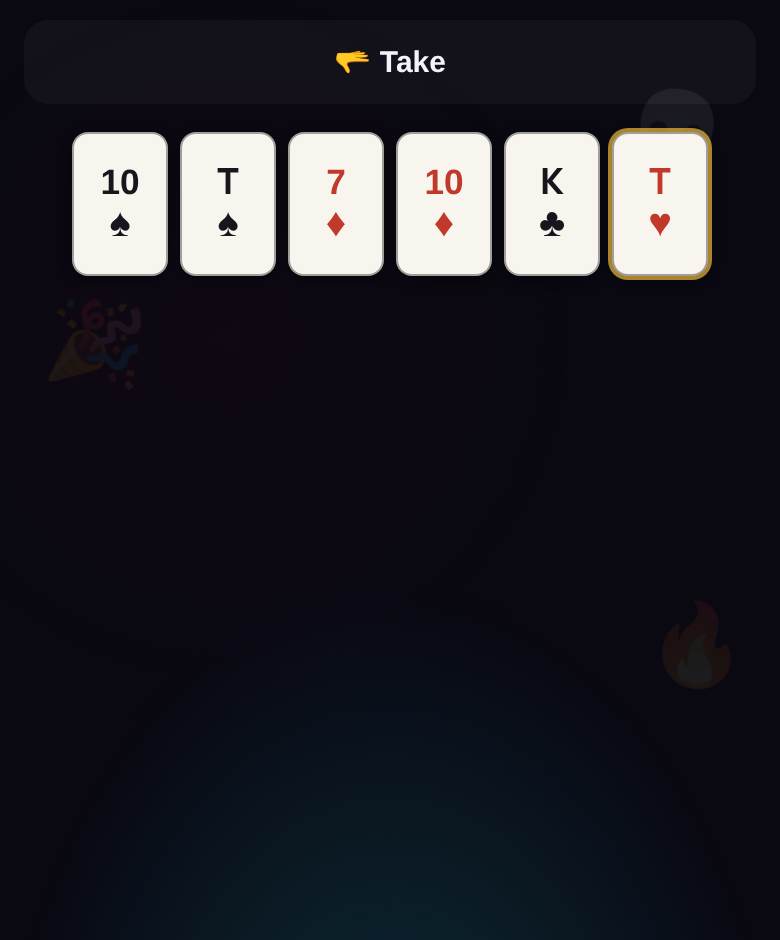
Durak uses a stripped deck: sixes through aces, 36 cards. Everyone gets six. The next card is turned face up and slid under the stack — its suit is trump for the whole game, and that card stays in play as the last one anybody draws.
Whoever holds the lowest trump attacks first; if nobody has one, anyone may open. The player to the attacker's left defends, everyone else piles on.
How a bout plays out
- The attacker puts any card from hand on the table.
- The defender must beat it with a higher card of the same suit or with any trump. A trump is beaten only by a higher trump.
- While the bout is live, anyone except the defender can throw in extra cards, but only ranks already lying on the table. Attack cards and defence cards both count: a nine beaten by a queen means queens are now fair game.
- Once everything is covered and nobody has more to add, the table is discarded and the defender becomes the next attacker.
Two ceilings catch beginners out. The opening bout is capped at five pairs, every later bout at six. And the table can never hold more unbeaten cards than the defender has in hand — down to two cards, he faces no third attack.
Saying take, and why it is rarely cheap
Instead of beating cards, the defender can say take. That does not end the bout: opponents keep throwing in matching ranks until the cap is hit, and then the whole table goes into his hand — the attacking cards and the ones he already beat.
A player who takes also loses the attack: the turn skips to the next player. Heads-up that means your opponent attacks twice in a row, which is why taking in a duel hurts double.
Refills, the empty deck, and who ends up the fool
After each bout everyone refills to six cards in a fixed order: attacker first, the rest around the circle, defender last. The face-up trump under the stack is the final card handed out, and it decides a surprising number of endgames.
Once the deck is empty there are no refills and the game turns into arithmetic. Anyone who runs out of cards is out; the last player still holding cards is the durak, the fool. Whoever emptied their hand first is the winner, and everybody except the fool scores a point.
Six habits that actually win games
- Never defend with a trump below the jack while more than six cards remain in the deck. The same rank comes flying back a turn later, and a trump seven spent on someone's eight is a gift.
- Count trumps — there are exactly nine. Seven in the discard plus the trump ace and king in your hand means the endgame is yours. While three enemy trumps live, stay out of trades.
- Keep pairs together. Two cards of one rank are a guaranteed throw-in, and that matters most on an empty deck: lead one, watch a trump die, land the second uncovered.
- Attack into short suits. An opponent who has discarded diamonds twice has none — hammer that suit before he refills.
- With the deck empty, count the enemy hand card by card. Only throw in what the defender cannot beat; one extra covered card is one extra turn he survives.
- Dump your junk while the deck is full. A lonely nine of spades costs nothing in the middle game and costs you the match at the end.
Heads-up and six-handed are different games
One on one, durak is a counting exercise. Only 36 cards exist, and by mid-game a strong player knows the opponent's holding almost exactly. Bookkeeping decides it: trumps gone, ranks still alive, who leads after the discard.
Six-handed, the deck evaporates in three or four bouts and the danger is the pile-on, not the defence: five opponents find the fourth card of a rank nearly every time. Hoarding low cards turns risky, and every trump doubles in value.
Mistakes you can spot from across the room
- Defending to the bitter end and then taking the table anyway.
- Hoarding trumps and never attacking with them, while the opponent calmly sheds junk and empties his hand first.
- Throwing in everything to bury the defender, who covers it all and starts the next bout with an empty hand.
- Forgetting that a successful defender leads next. Letting him beat you cheaply often costs less than forcing a take.
Playing durak online
Our Durak seats 2 to 6 players, runs in a phone browser and asks for no sign-up: open a room, drop the four-letter code into your chat, done. Turns run on a 45-second clock — stall and the engine attacks with your cheapest card or makes the defender take.
Short on people? Add bots — cheap and greedy, but they hold a four-handed table fine. Want stakes? Run a tournament over duels, with byes and a final standings table. For more ideas see what to play with friends online and rooms that need no account.
🃏 Play Durak right now
10 seconds from click to game. No sign-up, nothing to install.
Play free now